Mobile Welding in Denver & the Front Range: Altitude, Weather, and Steel
Denver and the Colorado Front Range bring unique challenges to mobile welding: high altitude, dramatic weather swings, and a mix of urban construction and mountain ranch work. Here is what you need to know.
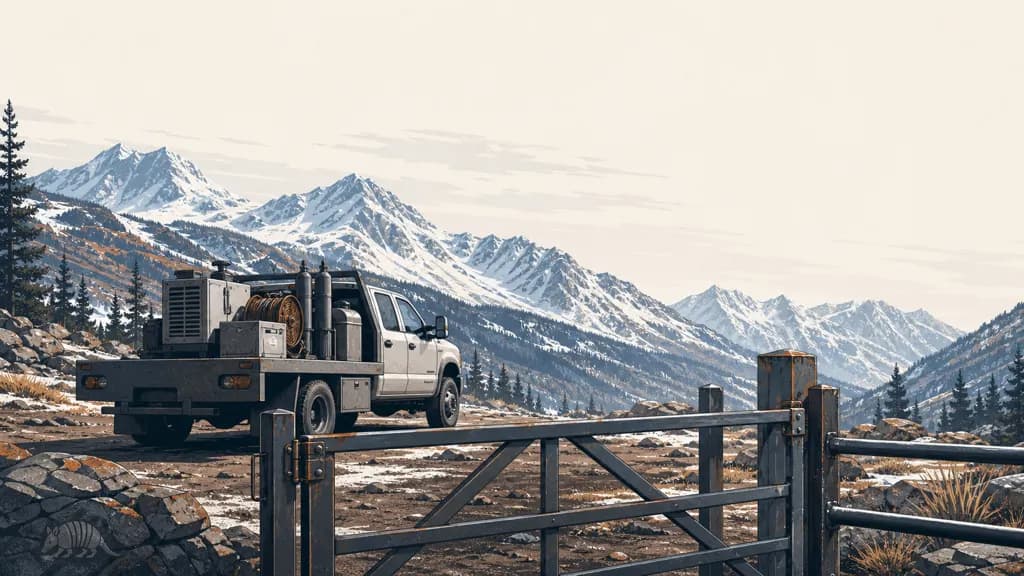
Welding a Mile High: What Makes Denver Different
The Denver metropolitan area (stretching from Fort Collins in the north through Boulder, Denver, and Lakewood to Colorado Springs in the south along the Front Range) is home to nearly 4 million people and one of the most dynamic economies in the Mountain West. Construction, energy, agriculture, aerospace, and outdoor recreation all drive demand for mobile welding in a region where altitude and weather add complexity that lower-elevation welders never face.
Denver sits at 5,280 feet. Colorado Springs is at 6,035 feet. Many Front Range communities and ranches sit between 6,000 and 8,000 feet. At these elevations, the physics of welding change in measurable ways, and the welders who work here have adapted their techniques accordingly.
How Altitude Affects Welding
High-altitude welding is not just a talking point: it has real technical implications that affect weld quality.
Shielding gas behavior. At 5,000+ feet, atmospheric pressure is roughly 17% lower than at sea level. This affects how shielding gas (argon, CO2, mixed gases) flows from the torch nozzle and protects the weld puddle. Gas flow rates that work perfectly in Houston or Chicago may be insufficient in Denver, allowing atmospheric contamination that causes porosity (gas pockets in the weld). Experienced Front Range welders increase their gas flow rates by 15-25% compared to sea-level settings and use larger nozzle diameters for better gas coverage.
Arc behavior. Lower atmospheric pressure slightly reduces the resistance of the air gap between the electrode and the workpiece, which can make the arc more erratic at standard settings. Welders typically reduce voltage slightly and may adjust wire feed speed to compensate.
Electrode and filler metal storage. Denver's low humidity is actually an advantage here. Low-hydrogen electrodes (E7018, the workhorse of structural stick welding) are less likely to absorb atmospheric moisture in Denver than in humid climates. However, rapid temperature swings (a 50-degree temperature drop overnight is not unusual on the Front Range) can cause condensation on cold metal and cold consumables, so proper storage remains important.
Welder fatigue. Physical exertion at altitude is more taxing. A welder working in a difficult position (overhead, vertical) tires faster at 6,000 feet than at sea level. This is a practical consideration for scheduling and pricing complex jobs.
Front Range Weather: The Wild Card
Colorado's Front Range weather is famously unpredictable. It is not uncommon for a 70-degree March afternoon to be followed by a 20-degree snowstorm the next morning. This volatility directly impacts mobile welding:
Wind. The Front Range is notoriously windy, with sustained winds of 20-40 mph common along the I-25 corridor, particularly from Boulder north to Fort Collins. Wind is the enemy of gas-shielded welding processes (MIG and TIG), blowing away the shielding gas and causing contaminated welds. Mobile welders on the Front Range carry wind screens, magnetic shields, and portable shelters as standard equipment. In extreme wind, they may switch from MIG to flux-core or stick welding, which generate their own shielding and are less wind-sensitive.
Temperature swings. Welding on metal that is at 20 degrees Fahrenheit produces different results than welding on the same metal at 80 degrees. AWS D1.1 requires preheating steel to a minimum of 50 degrees Fahrenheit for structural welding on most steel grades. On a cold Front Range morning, this means the welder must preheat the joint area with a torch before welding: adding time and propane cost but ensuring a sound weld.
Snow and ice. Snow load damage to metal structures, carports, canopies, and equipment is a recurring source of winter welding work along the Front Range.
Snow Plow and Equipment Repair
Colorado's long winter season (October through April in many Front Range areas) creates enormous demand for snow removal equipment repair:
- Plow blade and frame repairs. Plow frames crack from hitting curbs, manholes, and hidden obstacles. Cutting edges wear down and need replacement. Mobile welders who serve the snow removal industry stay busy from first snowfall through spring.
- Salt spreader and sander repairs. Corrosion and mechanical stress cause hopper cracks, spinner mechanism failures, and frame damage on salt spreaders.
- Skid steer and loader attachments. Bucket edges, quick-attach mechanisms, and push frames for snow removal take heavy abuse and require regular welding repair.
The Colorado Contractors Association and the Rocky Mountain Chapter of the Associated General Contractors connect snow removal and construction companies with qualified welding professionals.
Ranch and Agricultural Welding on the Front Range
Eastern Colorado (from the I-25 corridor east across the plains) is ranch and farm country. Weld County (named, fittingly, for a surveyor, not for welding) is one of the top agricultural counties in the nation, producing cattle, corn, and sugar beets. The ranch and agricultural welding market along the Front Range mirrors North Texas in scope:
- Livestock gate and panel repair
- Pipe fence and corral welding
- Trailer frame and tongue repairs
- Hay equipment, tractor implements, and attachments
- Custom cattle handling equipment fabrication
- Irrigation pivot and equipment repairs
Many Front Range ranches are 30-60 minutes from the nearest town. Mobile welders who serve rural areas east of I-25 cover large territories and often charge higher trip fees to account for the drive time.
Colorado Licensing and Regulatory Requirements
Colorado does not have a state-level welding license. However:
- Contractor licensing varies by municipality. Denver, Aurora, Lakewood, Boulder, Colorado Springs, and Fort Collins each have their own contractor licensing requirements. Welders performing structural or building-related work should verify local requirements before starting a job.
- Building permits. Structural welding on commercial and residential buildings requires permits and inspection in all Front Range municipalities. The local building department may require the welder to provide AWS D1.1 qualification documentation.
- The Rocky Mountain Section of AWS. Active in the Denver area, offering certification testing events at multiple locations along the Front Range. Welders can test for AWS Certified Welder credentials and CWI at facilities in the Denver metro.
- Colorado DORA (Department of Regulatory Agencies). While not directly licensing welders, DORA oversees the professional licensing framework in Colorado. Welders should check whether their scope of work falls under any regulated contractor category.
What Mobile Welding Costs on the Front Range
Denver-area mobile welding rates are in line with other mid-tier metros:
- Hourly rates: $85-$140/hour for general mobile welding; $130-$200/hour for certified structural, pipe, or altitude-specialty work
- Service call minimums: $175-$300
- Common job ranges: Gate and fence repair $200-$500; trailer repair $250-$700; ranch equipment repair $300-$900; structural steel $500-$2,500+; snow plow and equipment repair $200-$800
Expect seasonal pricing variation. Winter emergency rates for snow equipment repair often carry a 1.5x premium, while summer construction season sees the highest demand for structural welding.
Finding a WeldRunners in Denver
The Front Range corridor from Fort Collins to Colorado Springs is roughly 150 miles long, so location matters when selecting a mobile welder. WeldRunners lists mobile welders across the Front Range by city. Review each published profile, then ask the provider for current certification documentation and references relevant to the work. Whether you need a ranch gate fixed in Greeley or structural steel welded on a new build in RiNo, confirm the provider's service area before scheduling.